
Culinary Cipher — Case File No. 021
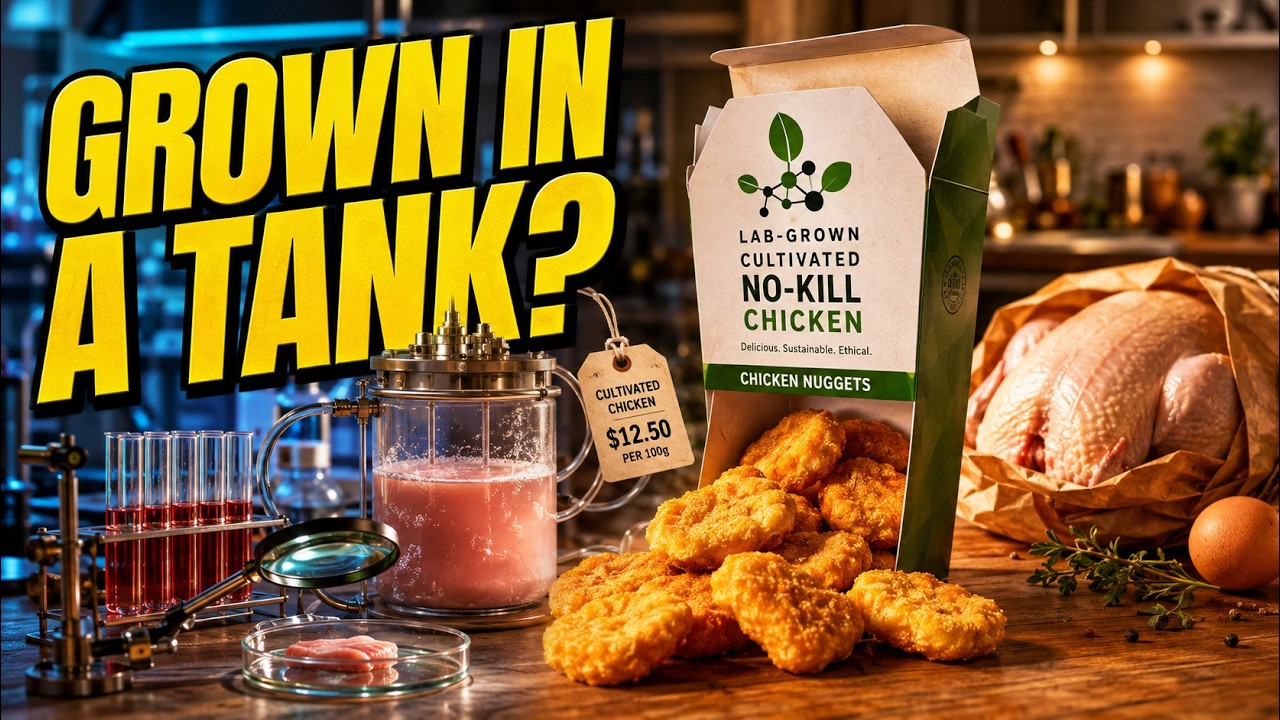
“Lab-Grown,” Decoded.
Eight terms getting thrown around by hype on one side and fear on the other, and three honest ways to think past both. No hype, no fear — just what the words actually mean.
Coming soon
Free e-book unlock goes here
Placeholder for the video-gated e-book widget. Swap this block for the embed code once the e-book gate is ready.
No sponsorships and no affiliate links on this one — this post exists purely to decode the vocabulary, not to sell anything.
From the video — what we verified
- 01 Cultivated / cultured / cell-based meat
- 02 “Plant-based” is not lab-grown
- 03 Precision fermentation & animal-free dairy
- 04 “Clean meat” & “cruelty-free” marketing
- 05 “Frankenfood” & fear language
- 06 “Natural” & “no additives” claims
- 07 State bans & politics
- 08 “Long-term data” honesty
The Vocabulary Decoder
Eight terms getting thrown around loosely, by marketers and critics alike. Learn the categories and neither side can push you around.
Cultivated / Cultured / Cell-Based Meat
Real animal protein grown from cellular samples in a controlled facility, not raised on a farm. The approved products so far have been reviewed and deemed safe by regulators.
Plant-Based
Made from plants — soy, pea protein, and similar. Not grown from animal cells at all. A completely different, much older category, often mislabeled as “lab-grown” by mistake.
Precision Fermentation / Animal-Free Dairy
Dairy proteins made by microbes through fermentation, not from cows. A third, distinct technology — already quietly present in some ice creams, cheeses, and protein products.
“Clean Meat” / “Cruelty-Free”
Persuasive slogans from cultivated-meat companies. Reflects real potential, but can overstate how ready, affordable, or proven the technology actually is today.
“Frankenfood” / “Fake Meat”
Loaded words meant to sound unnatural and unsafe. “Unnatural-sounding” isn’t the same as unsafe — approved cultivated products have passed real safety review.
“Natural” / “No Additives”
Carries little real meaning across the board, conventional or novel. Read the actual ingredient list instead of trusting this word alone.
State Bans & Politics
Often about protecting traditional agriculture, not a verdict on safety. Worth understanding as politics and economics, not science.
“Long-Term Data” Claims
“Approved and reviewed as safe” is true. “Decades of consumer history” is not — yet. Honest uncertainty, not evidence of harm.
Three Honest Ways to Reach for the Real Thing
Not products to buy — just the mindset the whole video is really about.
Clear, Specific Labels
Whether conventional, plant-based, or novel, favor products whose labels plainly state their category and a short ingredient list you can actually read. Clarity is the real “clean.”
Whole, Familiar Foods
A real vegetable, a piece of meat or fish, beans, eggs, grains — labels that need no decoding because there’s barely a label at all. Nothing wrong with sticking to what you understand.
An Informed Choice, Not a Slogan
Decide for yourself based on what these things actually are, not on hype or fear. Trying something new or waiting for more history are both legitimate, informed choices.